
Fashion With Purpose
What Is Sustainable Fashion?
Sustainable fashion is about making choices that respect both people and the planet. It means prioritizing quality over quantity, choosing pre-loved pieces over fast fashion, and supporting brands transparent about their environmental and social impact.
The fashion industry is one of the world's largest polluters. Every year, millions of tons of clothing end up in landfills, while manufacturing consumes massive amounts of water, chemicals, and energy. Fast fashion's low prices mask a high environmental cost — and someone always pays it.
Circular fashion offers a different path. By choosing a sustainable clothing store that specializes in pre-loved pieces, you extend each garment's life, reduce textile waste, and keep beautiful clothes in circulation. It's not about sacrifice or luxury — it's about being intentional with what you wear.
Environmental Impact
Buying pre-loved fashion reduces demand for new production, cutting water use, emissions, and chemical pollution at scale.
Circular Economy
Every pre-loved piece you buy keeps clothing out of landfills and extends the life cycle of garments already made.
Accessible to Everyone
Sustainable fashion isn't a luxury at Eco-Vintage Giize — handpicked, quality-checked pieces are priced fairly so eco-conscious choices are within reach.
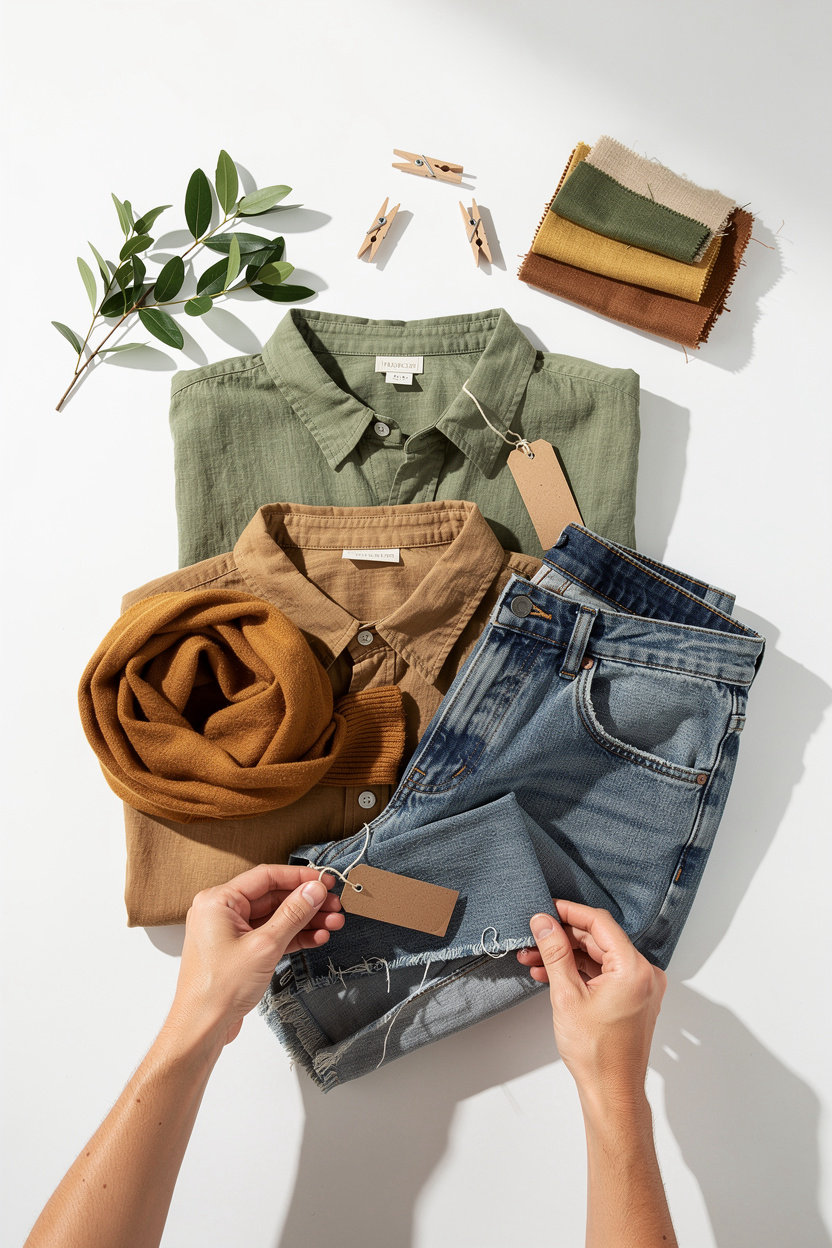
Pre-Loved vs. Vintage vs. Upcycled
Understanding the difference between pre-loved, vintage, and upcycled clothing helps you make informed choices about what you're buying and why it matters for the planet. Each category offers its own story and sustainability benefit.
What is pre-loved clothing?
Pre-loved clothing is gently worn, previously owned pieces that are carefully inspected and quality-checked before listing. These are garments someone else has owned and cared for, now ready for their next chapter. At Eco-Vintage Giize, every pre-loved item is handpicked and priced fairly so you get beautiful, high-quality fashion without the waste or the premium price tag.
What is vintage clothing?
Vintage clothing refers to pieces that are typically 20+ years old and carry historical or nostalgic value. Vintage items often represent a specific era or style, making them treasured finds for those seeking authentic, time-worn character. Shopping vintage is an act of circular fashion—you're extending a garment's life by decades and preserving fashion history while reducing textile waste.
What is upcycled clothing?
Upcycled clothing is repurposed or redesigned from existing garments or fabric scraps, giving them a completely new purpose and extended life. An old jacket might become a stylish vest; fabric remnants might be stitched into a unique patchwork piece. Upcycled fashion transforms what would have been waste into something fresh and one-of-a-kind, making it the ultimate expression of circular fashion.
Why does each type matter for sustainability?
All three categories—pre-loved, vintage, and upcycled—extend the lifecycle of garments instead of sending them to landfills. By choosing pre-loved, vintage, or upcycled pieces instead of new fast fashion, you reduce demand for resource-intensive manufacturing, lower carbon emissions from production, and keep perfectly good clothing in circulation. Whether you're shopping at an ethical clothing store or a vintage boutique, each purchase is a vote for circular fashion and against textile waste.
How to Shop Sustainable Fashion on a Budget
Building a sustainable wardrobe doesn't require spending a fortune. With intention and smart choices, you can create a closet full of pieces you love while reducing your environmental impact. Here's how to shop sustainably without breaking the bank.
-
1
Start with Basics
Build a foundation of timeless, versatile pieces—think neutral tees, well-fitting jeans, and simple sweaters. These basics work together across seasons and never go out of style, giving you maximum outfit combinations from fewer items.
-
2
Invest in Quality Over Quantity
One well-made piece that lasts years beats ten cheap items that fall apart after a few washes. Look for solid seams, quality fabric, and construction that shows the item was made to endure. Quality clothing is a sustainable investment.
-
3
Shop Pre-Loved First
Pre-loved clothing is where sustainable fashion meets affordability. You'll find high-quality pieces at a fraction of retail prices, and each purchase keeps fabric out of landfills. Brands like Eco-Vintage Giize curate handpicked pre-loved collections so you know every item meets quality standards.
-
4
Learn to Spot Quality
Examine seams—they should be straight and secure. Check fabric weight and feel; quality materials have substance. Look for reinforced stress points and hidden details that show craftsmanship. These signs tell you the piece will hold up to regular wear.
-
5
Build a Capsule Wardrobe & Care for Your Clothes
A capsule wardrobe means fewer pieces that all work together, reducing waste and decision fatigue. Extend every garment's life through proper care: wash cold, air dry when possible, and store thoughtfully. The longer your clothes last, the lower their environmental cost per wear.